The internet has made research faster, but it has not made every source dependable. News reports, institutional pages, personal blogs, commercial sites, and social media posts can all appear in the same search results, even though their standards of evidence differ considerably. Evaluating online information requires more than noticing a professional design or a high ranking. It involves checking who produced the material, how claims are supported, and whether the information remains current.
Start With the Source
The first question is authorship. A credible article normally identifies its writer, editor, organization, or publication. That information allows readers to consider the author’s expertise and possible interests. A university department, government agency, professional association, or established newsroom may have formal review procedures, although no institution is automatically free from error.
Anonymous material deserves closer examination, particularly when it makes strong claims about health, finance, politics, or public safety. Readers should also distinguish between an organization’s primary information and a page designed mainly to sell a product. Advertising does not make a source false, but it can influence which facts are emphasized and which are omitted.
Examine the Evidence
Reliable writing usually explains how its conclusions were reached. It may cite official records, research papers, interviews, datasets, or direct observations. Citations should be specific enough for another reader to locate the underlying material. A vague statement that “experts agree” offers little value unless the experts are named and their views can be checked.
It is also useful to separate evidence from interpretation. A report might state that a survey found a particular percentage of respondents supporting a policy. An opinion writer may then argue that the result demonstrates a broader social trend. Those are different claims and should be assessed separately. Readers should ask whether the sample was large and representative, whether the method was appropriate, and whether the conclusion goes beyond what the evidence can establish.
Check Dates and Context
Online pages are often copied, updated, or recirculated without clear warnings. A claim that was accurate several years ago may no longer describe current conditions. Look for publication and revision dates, then compare the material with more recent sources. Statistics, regulations, technical guidance, and scientific findings are particularly sensitive to changes over time.
Context matters just as much as recency. A quotation can be technically authentic while creating a misleading impression if surrounding remarks are removed. A graph may show a real increase while beginning its vertical axis at an unusual point, making the change appear larger than it is. Reading beyond a headline and examining the full explanation can prevent many avoidable misunderstandings.
Use Links and Technical Signals Carefully
Website addresses and security indicators provide useful clues, but they are not proof of accuracy. A secure connection protects data moving between a browser and a server; it does not verify the quality of the information on the page. Likewise, a familiar domain ending may indicate an institution’s identity without guaranteeing that every statement is well supported.
When testing how links behave in a draft or learning basic web structure, a harmless placeholder like test can illustrate the difference between visible text and the destination specified in HTML. In research, however, readers should inspect where a link leads, whether it points to a primary source, and whether the destination still contains the material being cited.
Compare Independent Sources
Confidence increases when independent sources reach compatible conclusions using different methods. Independence is important: several pages repeating the same paragraph may represent one original claim rather than multiple confirmations. Where sources disagree, identify the reason. They may use different definitions, time periods, data sets, or standards of proof.
A careful reader does not need absolute certainty before accepting every practical fact. Instead, the goal is to match confidence to the strength of the evidence. By checking authorship, documentation, dates, context, and independent corroboration, people can make better judgments while remaining open to correction when stronger information appears.
How to Evaluate the Reliability of Online Information
The internet has made research faster, but it has not made every source dependable. News reports, institutional pages, personal blogs, commercial sites, and social media posts can all appear in the same search results, even though their standards of evidence differ considerably. Evaluating online information requires more than noticing a professional design or a high ranking. It involves checking who produced the material, how claims are supported, and whether the information remains current.
Start With the Source
The first question is authorship. A credible article normally identifies its writer, editor, organization, or publication. That information allows readers to consider the author’s expertise and possible interests. A university department, government agency, professional association, or established newsroom may have formal review procedures, although no institution is automatically free from error.
Anonymous material deserves closer examination, particularly when it makes strong claims about health, finance, politics, or public safety. Readers should also distinguish between an organization’s primary information and a page designed mainly to sell a product. Advertising does not make a source false, but it can influence which facts are emphasized and which are omitted.
Examine the Evidence
Reliable writing usually explains how its conclusions were reached. It may cite official records, research papers, interviews, datasets, or direct observations. Citations should be specific enough for another reader to locate the underlying material. A vague statement that “experts agree” offers little value unless the experts are named and their views can be checked.
It is also useful to separate evidence from interpretation. A report might state that a survey found a particular percentage of respondents supporting a policy. An opinion writer may then argue that the result demonstrates a broader social trend. Those are different claims and should be assessed separately. Readers should ask whether the sample was large and representative, whether the method was appropriate, and whether the conclusion goes beyond what the evidence can establish.
Check Dates and Context
Online pages are often copied, updated, or recirculated without clear warnings. A claim that was accurate several years ago may no longer describe current conditions. Look for publication and revision dates, then compare the material with more recent sources. Statistics, regulations, technical guidance, and scientific findings are particularly sensitive to changes over time.
Context matters just as much as recency. A quotation can be technically authentic while creating a misleading impression if surrounding remarks are removed. A graph may show a real increase while beginning its vertical axis at an unusual point, making the change appear larger than it is. Reading beyond a headline and examining the full explanation can prevent many avoidable misunderstandings.
Use Links and Technical Signals Carefully
Website addresses and security indicators provide useful clues, but they are not proof of accuracy. A secure connection protects data moving between a browser and a server; it does not verify the quality of the information on the page. Likewise, a familiar domain ending may indicate an institution’s identity without guaranteeing that every statement is well supported.
When testing how links behave in a draft or learning basic web structure, a harmless placeholder like test can illustrate the difference between visible text and the destination specified in HTML. In research, however, readers should inspect where a link leads, whether it points to a primary source, and whether the destination still contains the material being cited.
Compare Independent Sources
Confidence increases when independent sources reach compatible conclusions using different methods. Independence is important: several pages repeating the same paragraph may represent one original claim rather than multiple confirmations. Where sources disagree, identify the reason. They may use different definitions, time periods, data sets, or standards of proof.
A careful reader does not need absolute certainty before accepting every practical fact. Instead, the goal is to match confidence to the strength of the evidence. By checking authorship, documentation, dates, context, and independent corroboration, people can make better judgments while remaining open to correction when stronger information appears.
Einweihung der Außenanlagen im ASZ Moosach
Juli 2026:
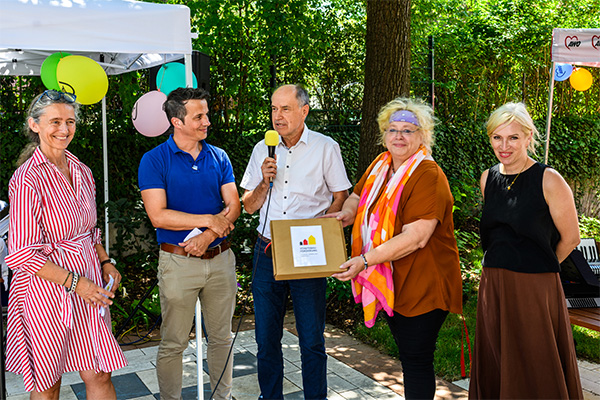
Beim diesjährigen Sommerfest des Alten- und Service-Zentrums (ASZ) Moosach gab es gleich doppelten Anlass zur Freude: Gemeinsam mit zahlreichen Gästen wurde nicht nur das traditionelle Sommerfest gefeiert, sondern auch die Fertigstellung der neu gestalteten Außenanlagen.
Die Außenanlagen präsentieren sich nun als einladender Ort für Begegnung, Austausch und gemeinschaftliches Miteinander. Kinder, Seniorinnen und Senioren, Mitarbeitende, Bewohnerinnen und Bewohner sowie Nachbarinnen und Nachbarn profitieren künftig von den attraktiven Freiflächen, die den sozialen Zusammenhalt vor Ort stärken.
In ihren Grußworten dankte die Thomas-Wimmer-Stiftung allen Förderern, Projektbeteiligten und Partnern für die vertrauensvolle Zusammenarbeit. Besonders hervorgehoben wurden die Unterstützung durch das Städtebauförderungsprogramm „Sozialer Zusammenhalt“, die Landeshauptstadt München, die Münchner Gesellschaft für Stadterneuerung (MGS), das Planungsreferat, die Planungsbeteiligten sowie die AWO München.
Die Rückmeldungen der Gäste fielen durchweg positiv aus: Das Sommerfest war ein voller Erfolg, die neuen Außenanlagen fanden großen Anklang, und die Freude über den gelungenen Ort der Begegnung war bei allen Beteiligten spürbar. Gemeinsam wurde ein Projekt gefeiert, das einen wichtigen Beitrag für das Zusammenleben im Quartier leistet. Wir freuen uns auf zahlreiche weitere gelungene Veranstaltungen!
Maibock für den guten Zweck
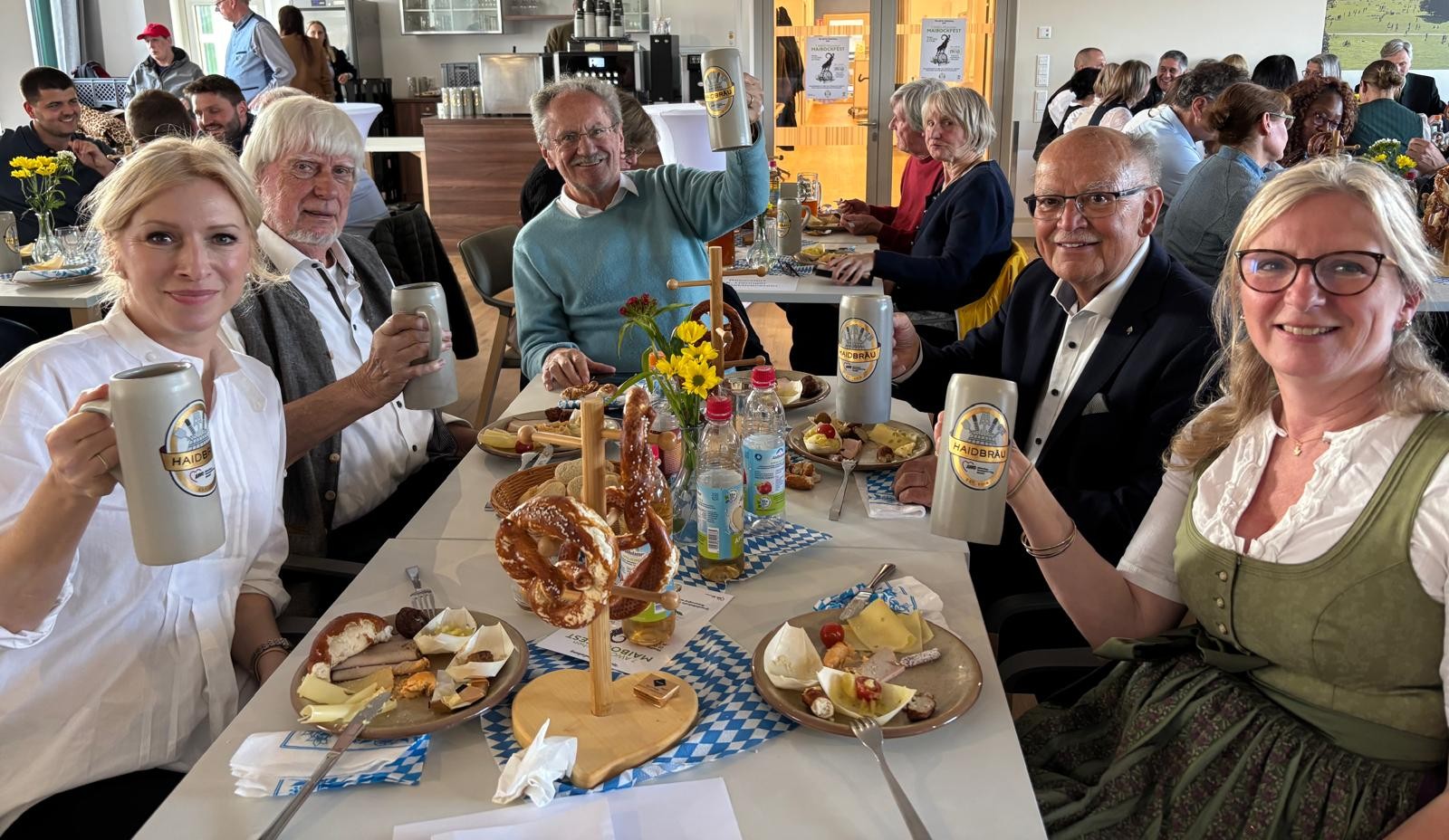
Es war ein stimmungsvoller Frühlingsabend, den wir gemeinsam mit unserem Beiratsvorsitzenden Christian Ude, dem Stiftungsvorsitzenden Jürgen Salzhuber, dem Altbezirkstagspräsidenten Josef Mederer sowie zahlreichen weiteren Gästen aus dem Umfeld der Thomas-Wimmer-Stiftung feiern durften.
Die launige Festansprache von Christian Ude griff den Fassanstich – ganz ohne echtes Holzfass – humorvoll auf, während die Live-Musik von Himpsl Brass die gelungene Feier abrundete.
Das ausgeschenkte Bier stammte von AWO Concept Living – einer Brauerei, die als Werkstätte für Menschen mit Behinderung betrieben wird. Damit wurde jeder Schluck Maibock auch zu einem Beitrag für Inklusion und soziale Teilhabe.
Genuss trifft Verantwortung: gemeinsam feiern und dabei Gutes unterstützen.
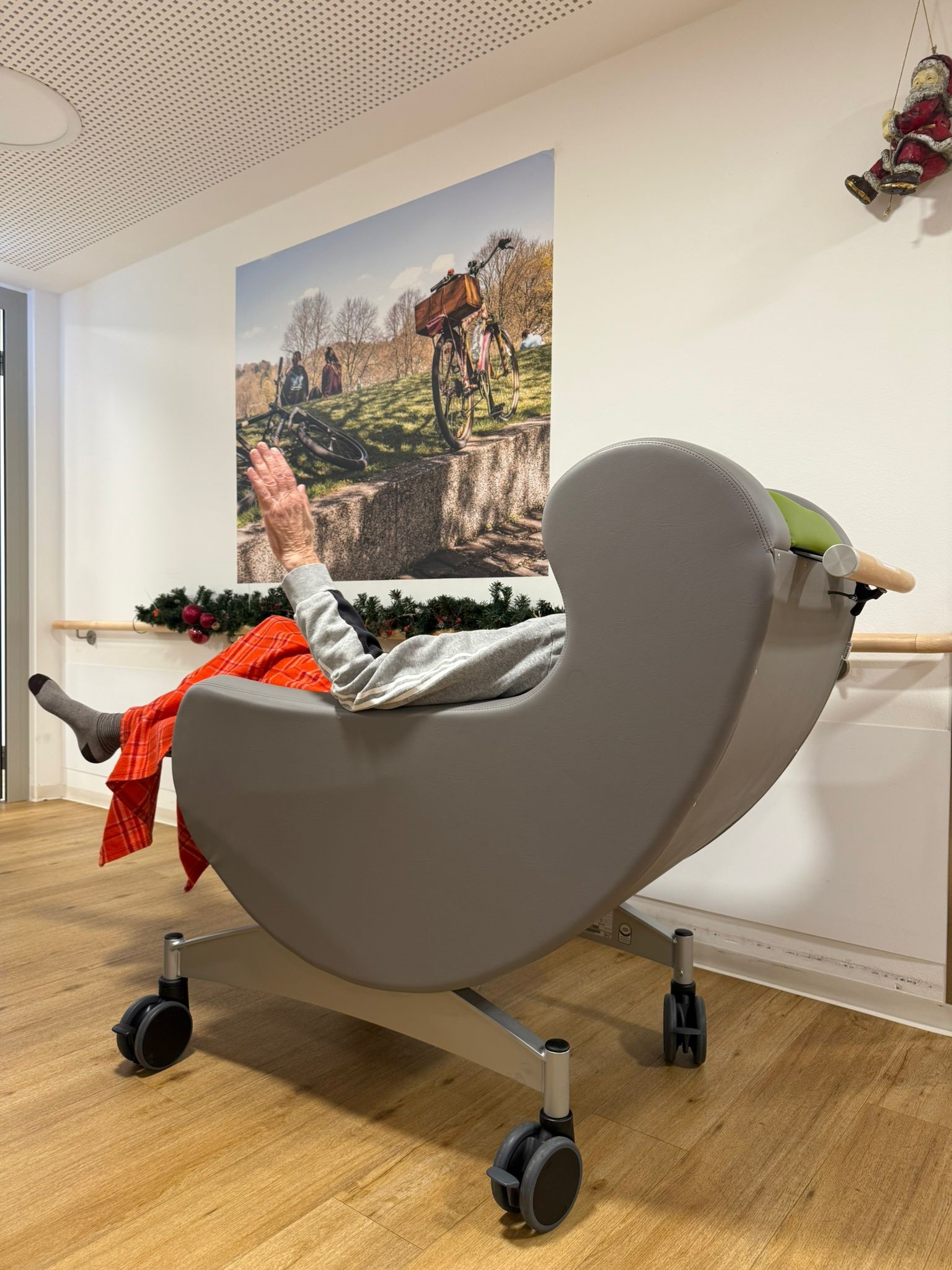
Zwei neue Pflegesessel für das Haus der AWO
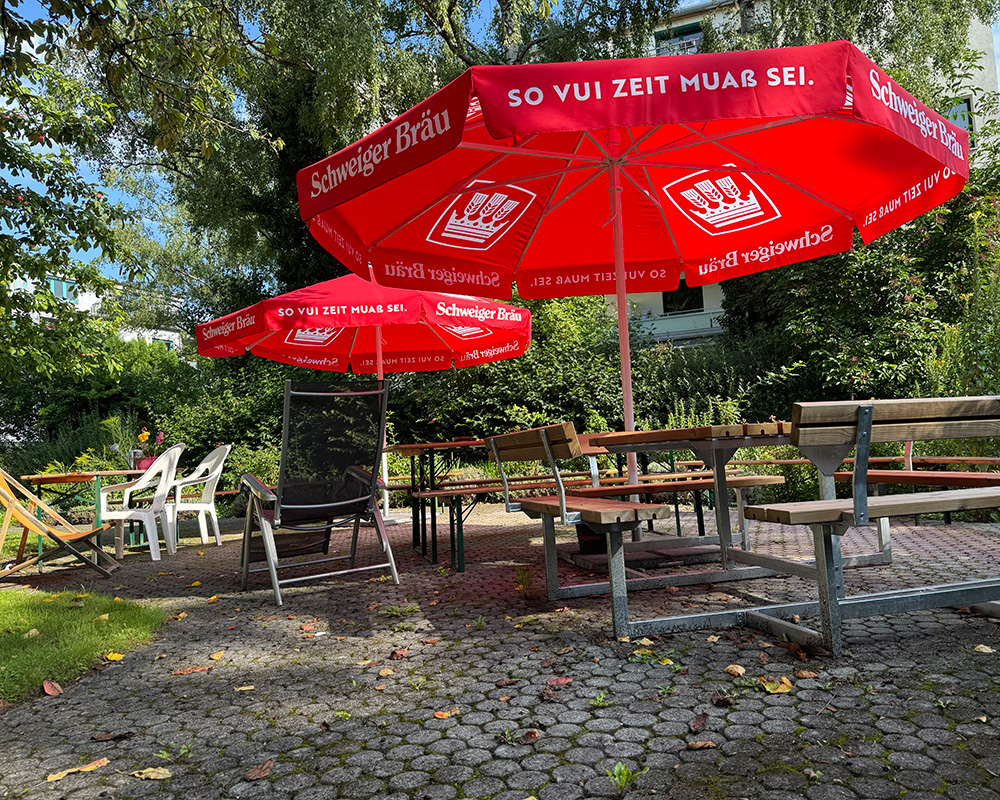
Gartenmöbel für das Kloster
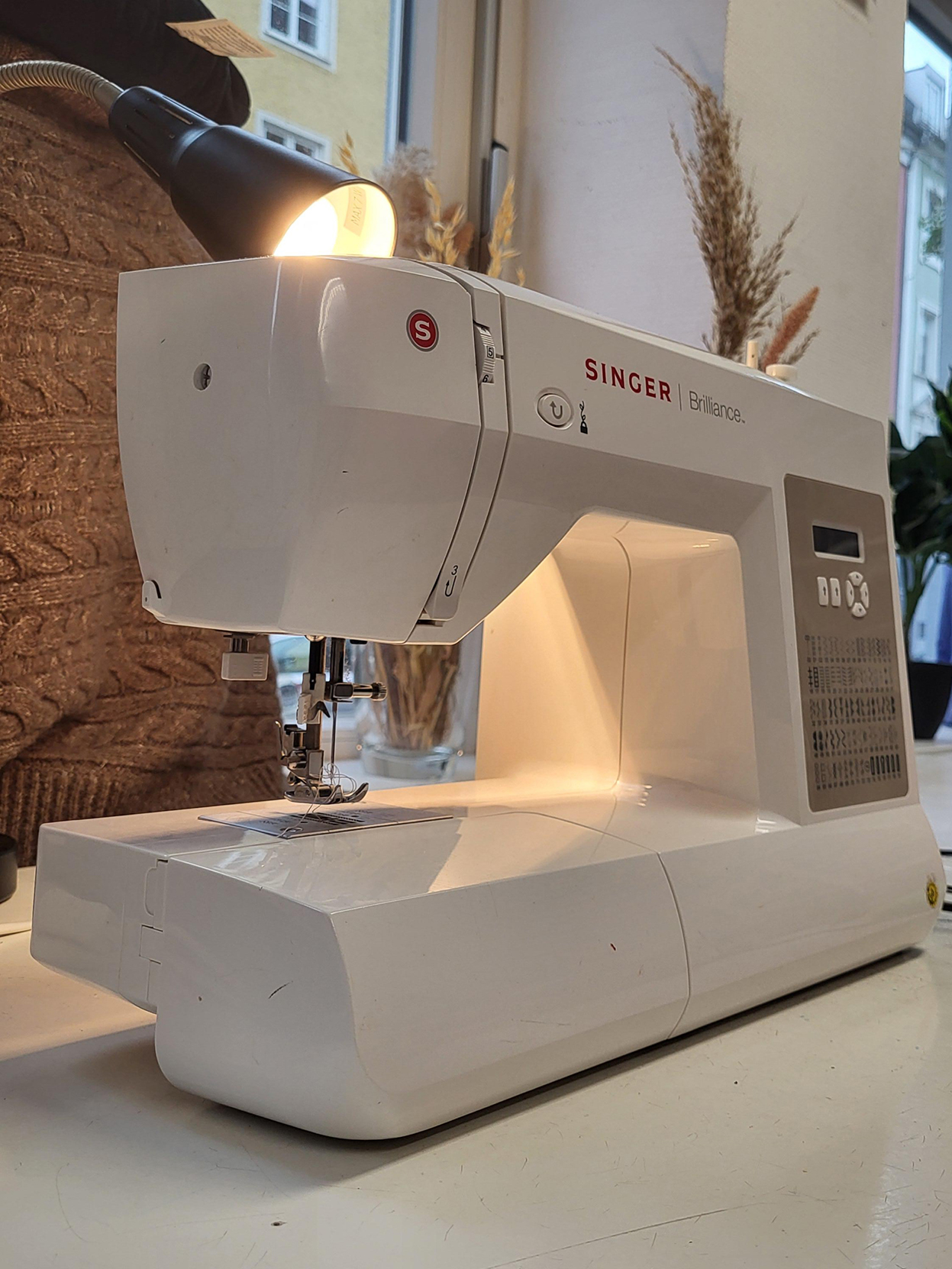
Neue Nähmaschinen für Zuverdienstprojekt
Weiterlesen
Einzug ins „Kloster“ Femo 40
Einfamilienhaus Milbertshofener Platz – Unterbringung der AWO Schutzstelle
Ein wichtiger Partner der TWS, die AWO München-Stadt, engagiert sich seit vielen Jahren in verschiedensten Angeboten im Bereich der Jugendhilfe.
Im Jahr 2022 verzeichnete die Stadt München einen hohen Anstieg an geflüchteten jungen Menschen, die ihre Heimat aufgrund von Kriegen, politischen Auseinandersetzungen und den daraus resultierenden Folgen verlassen mussten. Seit Anfang Januar betreibt die AWO München-Stadt eine Schutzstelle für acht Jugendliche im Alter von 14- 17 Jahren in einem schönen Mehrfamilienhaus mit großem Garten mitten im Stadtteil Milbertshofen, das sich im Eigentum der Thomas-Wimmer-Stiftung befindet. Das Haus wurde in den vergangenen Monaten renoviert und auf die Bedarfe der künftigen Bewohner*innen zugeschnitten.
In der AWO-Schutzstelle Milbertshofen im Haus der Thomas Wimmer Stiftung finden diese Jugendlichen nun ein Zuhause auf Zeit, an dem sie zur Ruhe kommen und ihre Zukunft in Deutschland planen können.
AWO-Seniorenzentrum der Stadt Penzberg wurde mit einem Neubau erweitert
Der Baubeginn wurde nach Erhalt der Baugenehmigung im Spätherbst 2020 begonnen. Der Neubau ist auf drei Pflegegeschosse ausgelegt. Im 3. Obergeschoss gibt es 10 Appartements Betreutes Wohnen. Der Neubau beinhaltet auf den drei Pflegegeschossen 63 Pflegezimmer mit 83 Plätzen und einem Ausweichzimmer. 21 Pflegezimmer werden als Zwei-Bett-Zimmer genutzt und 32 Einzelzimmer sind rollstuhlgerecht. Das Gebäude ist energieeffizient gebaut worden mit KfW-Effizienzhaus 55 gemäß EnEV. Für den Neubau hat die TWS 13,9 Millionen Euro investiert und einen Zuschuss von der Stadt Penzberg von 200.000 Euro bekommen.
Grundsteinlegung für das AWO- Seniorenzentrum der Stadt Penzberg
Das Wetter war etwas feucht, aber das konnte das Grüppchen von Gästen nicht davon abhalten, an der Grundsteinlegung im AWO-Seniorenzentrum der Stadt Penzberg teilzunehmen.
Um den Auflagenbescheid der Heimaufsicht/FQA Weilheim-Schongau zu erfüllen, hat die Thomas-Wimmer-Stiftung einen Erweiterungsbau von dem Architekturbüro Sorge entwerfen lassen und den Umbau im Bestandsgebäude, um mehr Einzelzimmer anbieten zu können. Selbstverständlich werden die neuen Zimmer barrierefrei gebaut. Zusätzlich wird das Bestands-geschützte Pfründehaus mit einem gerontopsychiatrischen Bereich ausgestattet. Auch einen Bereich für Betreutes Wohnen wird es zukünftig geben.
Jürgen Salzhuber, der Vorsitzende der TWS, begrüßte die geladenen Gäste und erläuterte die Pläne für den Neubau und Umbau. Des Weiteren informierte er die Gäste über die Gesamtkosten von ca. 16,6 Mio. Euro, ca. 13,9 Mio. für den Neubau und 2,7 Mio. für den Umbau. Wolfgang Taffertshofer, der stellv. Landrat, folgte als Redner und steuerte eine Münze für die Zeitkapsel bei. Stefan Korpan, der jetzige Bürgermeister von Penzberg und die ehemalige Bürgermeisterin Elke Zehetner folgten und erinnerten an die schwierige Zeit nach dem Kauf mit dem privaten Träger Novita. Personalsorgen und die Aufnahmesperre machten es der AWO München-Stadt nicht leicht, das Seniorenheim auf positiven Weg zu bringen. Aber mittlerweile läuft alles in guten Bahnen und die TWS rechnet mit der Fertigstellung aller Bauarbeiten im Herbst 2022.